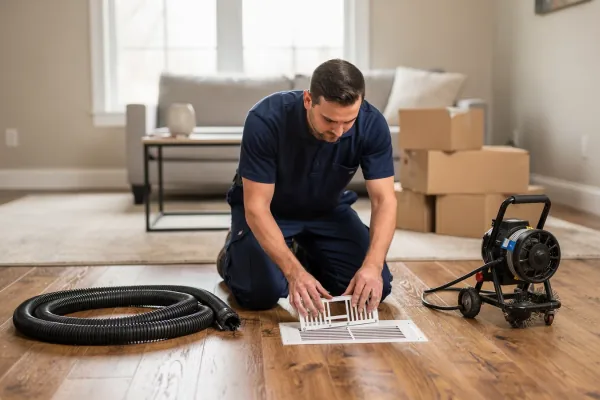
Direct answer: Clean your air ducts before selling only when there is a visible reason: dust blowing from vents, mold, pet or smoke odor, pest debris, or recent renovation dust. In those cases, a NADCA-standard cleaning costs a few hundred dollars and removes problems that buyers and home inspectors notice. If the ducts look clean, spend your prep budget elsewhere. See what professional HVAC cleaning includes.
When you list a house in Columbus, you are not just selling square footage. You are selling the feeling a buyer gets in the first 30 seconds after the front door opens. A musty smell, a dusty register over the bed, or a furnace that rattles on during a showing can quietly knock thousands off an offer. The air system is easy to overlook because you cannot see most of it. Buyers and inspectors, though, are trained to notice what it leaves behind.
Table of contents
- Do buyers and home inspectors check the air ducts?
- What signs mean your ducts need cleaning before you list?
- How much does duct cleaning cost, and is it worth it before a sale?
- What should you fix in the HVAC system besides the ducts?
- How do you choose a duct cleaner you can trust?
- When should you skip the prep and sell your Columbus house as-is?
- What is a simple pre-listing air quality timeline?
- Key takeaways
- FAQs
Do buyers and home inspectors check the air ducts?
Yes, but usually indirectly. A standard home inspection does not include a camera run through every duct. Inspectors do pull the furnace filter, look at the blower compartment, check supply registers, and note anything that suggests poor maintenance. A clogged filter, a dust-caked blower wheel, rust in the drain pan, or dark streaks around vents all end up in the report.
That report matters more than many sellers expect. Buyers use it to renegotiate. A line that reads "evidence of microbial growth near the evaporator coil, recommend evaluation by an HVAC specialist" is vague enough to scare a first-time buyer and specific enough to justify a price cut or a repair credit.
The reason buyers care is simple. The U.S. EPA reports that Americans spend about 90 percent of their time indoors, where some pollutant concentrations are often two to five times higher than outdoors. Families with kids, allergies, or asthma pay attention to anything that affects the air they will breathe every day. Service-Tech has written more about why indoor air quality matters for health and comfort.
What a Columbus buyer's inspector typically looks at:
- The furnace filter: its type, condition, and how long since it was changed
- The blower motor and wheel: dust buildup reduces airflow and efficiency
- The evaporator coil and drain pan: standing water, rust, or growth
- Supply and return registers: dust staining, debris, or loose grilles
- Visible ductwork in the basement: disconnected joints, gaps, or damaged insulation
- The dryer vent: lint buildup is both an inspection note and a fire hazard
What signs mean your ducts need cleaning before you list?
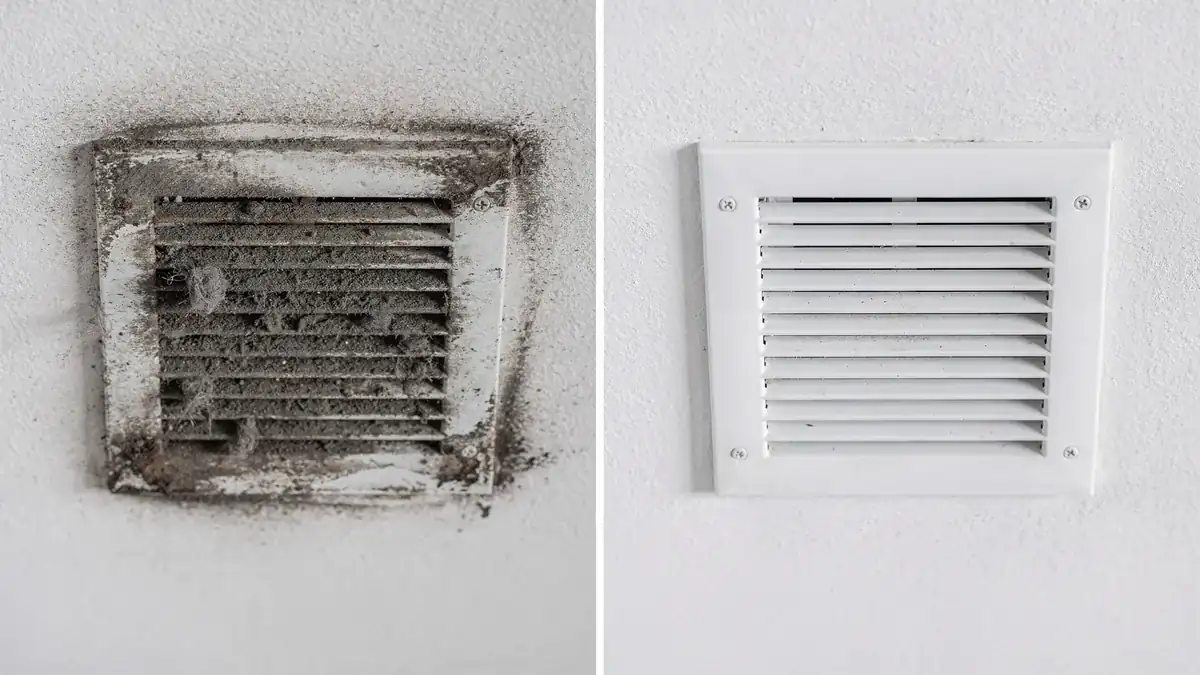
The EPA's guidance on whether to have your air ducts cleaned is a good reality check. The agency does not recommend routine cleaning on a fixed schedule. It recommends cleaning on an as-needed basis, and it names the situations that justify it. Those same situations are exactly what a buyer could find.
Consider cleaning before you list if any of these apply:
- Visible mold on duct surfaces, the coil, or other HVAC parts.
- Pests: droppings, nests, or insect debris inside the system.
- Excess dust and debris: dust puffs out of registers when the system starts.
- Recent renovation: drywall dust and sawdust from a pre-sale refresh settle in the returns. Service-Tech covers this in its post on HVAC cleaning after renovation.
- Lingering odors: years of pets, cooking, or smoking leave smells that cling to dust in the ducts.
If you are not sure, compare your home to the list in 5 warning signs your air ducts need cleaning. One sign is worth a professional look. Two or more usually means cleaning will pay off before photos and showings.
One caution on mold: the EPA's brief guide to mold and moisture warns against running an HVAC system you know or suspect is contaminated, because it can spread spores through the house. Fix the moisture source first, then clean. Wet or moldy duct insulation usually has to be replaced, not cleaned.
How much does duct cleaning cost, and is it worth it before a sale?
The EPA puts typical residential duct cleaning at roughly $450 to $1,000 per heating and cooling system. Price depends on the size of the home, how many systems it has, how accessible the ducts are, and how much contamination is present.
Whether that is worth it comes down to what you avoid. Compare the cost of cleaning against the cost of a buyer's reaction:
| Scenario | Likely seller cost |
|---|---|
| Clean ducts before listing when signs are present | One cleaning visit, typically $450–$1,000 per system (EPA) |
| Inspector flags dust, odor, or growth during escrow | A repair credit or price reduction, often negotiated under deadline pressure |
| Buyer walks away after the inspection | Days back on market, a new round of showings, and carrying costs |
Cleaning also helps your listing in ways that are harder to price. Fresh-smelling rooms photograph and show better. Clear registers look cared-for. And a seller who can hand over a dated cleaning invoice with before-and-after photos gives the buyer's agent one less thing to question.
It is not worth it if your ducts are in good shape. Cleaning a clean system adds cost without changing how the house shows. Put that money toward paint, landscaping, or a deep clean of the living space instead.
What should you fix in the HVAC system besides the ducts?
Clean ducts help, but buyers judge the whole system. A few low-cost fixes often do more for an inspection report than any single big project.
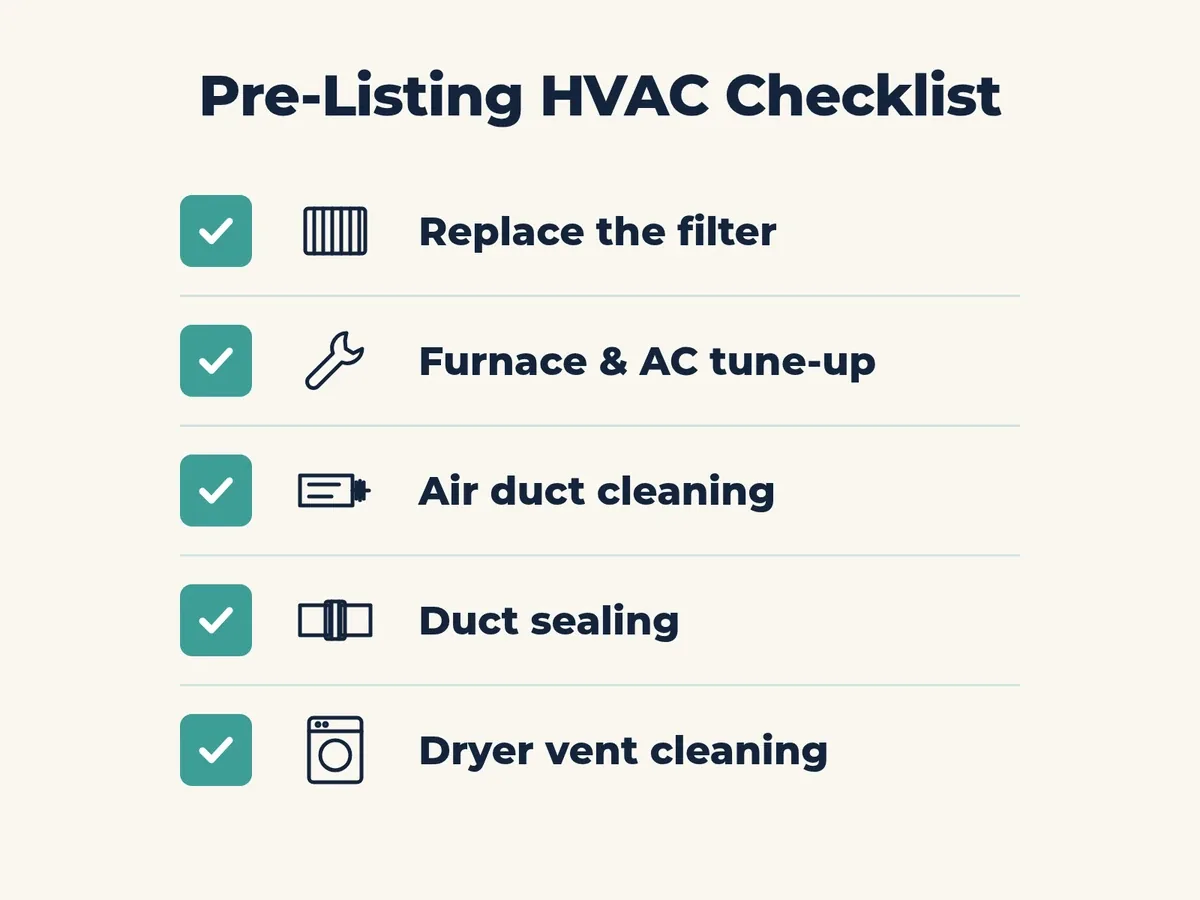
Replace the filter and label the date
It is the cheapest fix in the house, and it is the first thing an inspector pulls. Write the install date on the frame. It signals regular maintenance in one glance.
Get a furnace and AC tune-up
Central Ohio swings from humid summers to cold winters, so both heating and cooling get a real workout. A tune-up checks burners, the blower, refrigerant, and safety controls. A dated service sticker on the unit answers questions before they become report notes.
Seal leaky ducts
Leaky ductwork pulls in dust from basements, crawlspaces, and attics, and it wastes conditioned air. Rooms that never quite heat or cool evenly are a common symptom. Service-Tech offers air duct leakage repair using an internal sealing process that closes gaps from the inside without tearing into walls.
Clean the dryer vent
Lint-packed dryer vents are a common inspection flag and a real fire risk. Service-Tech explains how dryer exhaust cleaning prevents fires. It is a fast job that removes an easy objection.
Keep humidity in range
The EPA recommends keeping indoor humidity below 60 percent, ideally between 30 and 50 percent. A basement dehumidifier during a humid Columbus summer helps prevent the musty smell that buyers notice on the stairs.
How do you choose a duct cleaner you can trust?
Duct cleaning has a reputation problem because of "$99 whole-house" offers that do little more than vacuum the registers. A rushed or careless job can also damage ductwork or stir up debris. Before you hire anyone, the EPA suggests getting estimates from more than one provider and asking whether they follow industry standards.
Use these questions:
- Are you NADCA-certified? The National Air Duct Cleaners Association (NADCA) publishes ACR, the industry standard for HVAC cleaning, inspection, and restoration. Certified firms train to it.
- Do you clean the whole system? That means supply and return ducts, registers, grilles, the blower, the coil, and the drain pan, not just the vents.
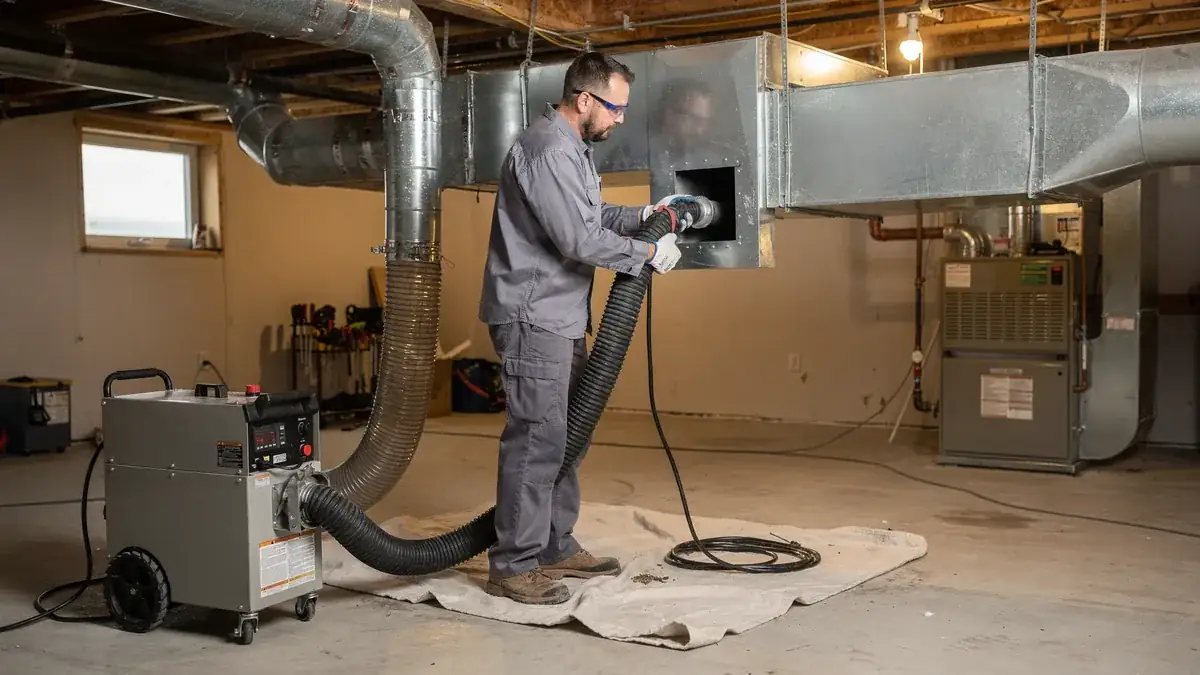
- Do you use source removal? Proper cleaning puts the system under negative pressure with a HEPA-filtered vacuum while tools loosen debris.
- Will you show me before-and-after photos? These double as documentation for your buyer.
- Do you push chemicals or add-ons? Sanitizers and coatings are not needed for most jobs. A good contractor explains when they are and when they are not.
Service-Tech's guide to avoiding air duct cleaning scams covers the red flags in more detail. You can also review the company's certifications, which include NADCA membership, or browse common questions on the Service-Tech FAQs page. Service-Tech has been in business since 1960 and serves central Ohio from its Columbus service center on Cross Pointe Road.
When should you skip the prep and sell your Columbus house as-is?
Not every seller should spend time and money on pre-listing work. Duct cleaning makes sense when you are listing on the open market and want the strongest offer from a retail buyer. It makes less sense when the house needs far more than air quality fixes.
Selling as-is can be the better path if:
- The HVAC system is near the end of its life and a replacement is the real issue
- There is significant water damage or mold that goes beyond the ducts
- You inherited the property and live out of state
- You are relocating on a short timeline or facing a deadline
- You do not want to manage contractors, showings, and repair negotiations
In these cases, some Columbus homeowners choose a cash sale instead. The decision often comes down to whether the cost of preparing the property for a traditional sale is justified by the potential increase in its selling price. For homeowners comparing an as-is sale with a traditional listing, HouseCashin's Columbus home buyer page is one example of the local cash-buying options available. Cash offers may involve fewer repair requirements and shorter closing timelines, although sellers should weigh these factors against the potentially higher proceeds from selling after modest improvements, agent commissions, and other expenses.
The honest middle ground: if the only issues are dusty ducts, a dirty filter, and an overdue tune-up, a few hundred dollars of maintenance usually earns more than it costs. If the list is long and expensive, an as-is sale may save you money and stress.
What is a simple pre-listing air quality timeline?
Plan the work so it finishes before your listing photos.
- 4–6 weeks before listing: walk the house with the system running. Check vents, smell the basement, and look at the filter and blower. Book an HVAC tune-up and a duct inspection.
- 3–4 weeks before: finish any painting, flooring, or drywall repairs first so construction dust does not end up in freshly cleaned ducts.
- 2–3 weeks before: schedule duct cleaning, duct sealing if needed, and dryer vent cleaning. Keep all invoices and photos.
- 1 week before: install a new filter, run a dehumidifier if the basement is damp, and air out the house.
- Listing day: put your HVAC service records in a folder for buyers and their agents.
Getting your Columbus home ready to list? Request an estimate from Service-Tech or call the Columbus office at (614) 864-9415. A Service-Tech crew can inspect your system and tell you whether cleaning will help your sale, or whether you can skip it.
Key takeaways (TL;DR)
- Clean ducts before selling only when there is a reason: dust, mold, pests, odors, or renovation debris.
- Inspectors check the filter, blower, coil, registers, and dryer vent, and buyers use those notes to negotiate.
- Typical cost is $450–$1,000 per system (EPA), usually less than a repair credit or a lost buyer.
- Pair cleaning with a new filter, a tune-up, duct sealing, and dryer vent cleaning, and keep the paperwork.
- Hire a NADCA-certified contractor that cleans the whole system with source removal.
- If the house needs major work, compare the cost of prep against an as-is cash sale.
Frequently asked questions
Does air duct cleaning increase home value?
It does not add appraised value the way a new kitchen does. It protects value by removing dust, odor, and growth that buyers and inspectors use to negotiate the price down.
How long does air duct cleaning take?
Most single-system homes take a few hours to a full day, depending on size, access, and how dirty the system is. Schedule it at least two weeks before listing photos.
Should I clean the ducts if I am selling as-is?
Usually not. In an as-is or cash sale, the buyer expects to handle maintenance, so prep spending rarely comes back to you.
Can a home inspector fail a house for dirty ducts?
Inspections are not pass/fail. But notes about dust, microbial growth, or a neglected system can lead to repair requests, credits, or a buyer backing out.
About the author
Service-Tech Clean Air Team
Air duct and HVAC cleaning specialists, Service-Tech Corporation
Written for Service-Tech Corporation's Clean Air Blog. Service-Tech has provided air duct and HVAC cleaning since 1960 and has been a NADCA member since 1990, with offices in Cleveland, Columbus, and Dayton, Ohio, plus Florida.